How Green Spaces and Wellness Are Shaping Singapore’s Residential Choices

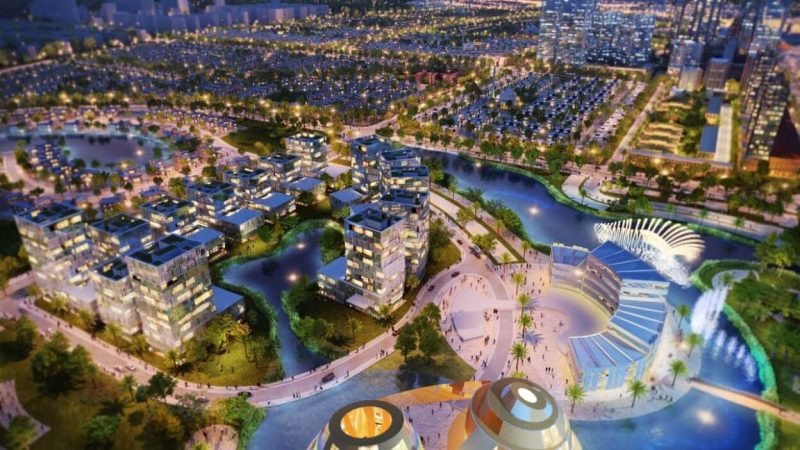
In today’s fast-paced urban environment, Singapore homebuyers are increasingly prioritising wellness and access to green spaces when choosing where to live. Beyond location or price, the availability of parks, walking trails, and recreational facilities is now a key factor in lifestyle-oriented decision-making. This trend is shaping residential developments across the city, including projects like Hudson Place Residences and Dunearn House, which offer contrasting approaches to integrating wellness into urban living.
Urban Wellness: More Than Just a Trend
Wellness in property design goes beyond fitness centers or swimming pools. It encompasses mental and physical health, access to nature, community engagement, and environmental quality. Research has shown that proximity to greenery and open spaces improves stress levels, supports family activities, and encourages an active lifestyle — all of which are highly valued by modern Singaporeans.
Developers are responding by creating residential precincts that integrate wellness-oriented amenities into everyday living. For many buyers, these features are becoming as important as proximity to work or schools.
City-Fringe Living with Active Amenities
Hudson Place Residences, located within the one-north precinct, combines city-fringe accessibility with lifestyle-centric design. The development provides facilities such as landscaped gardens, jogging tracks, and communal spaces designed to promote social interaction and healthy routines. Its location also allows residents to access nearby parks and recreational hubs, making it ideal for professionals who want convenient city living without sacrificing wellness.
In urban districts like one-north, developments that provide both connectivity and wellness-oriented amenities are particularly attractive to younger professionals and small families seeking a balanced lifestyle.
Established Residential Districts and Natural Integration
While new hubs emphasize convenience and modern design, mature residential areas often leverage existing greenery and established parks to promote wellness. Dunearn House, located along Dunearn Road, is situated in a neighbourhood with tree-lined streets, open spaces, and quiet communal areas. Residents benefit from proximity to parks, jogging paths, and recreational facilities that encourage outdoor activity and social cohesion.
These established districts combine long-term stability with lifestyle advantages. Families, in particular, find value in an environment that supports children’s outdoor play and fosters a strong sense of community.
Designing for Health and Lifestyle
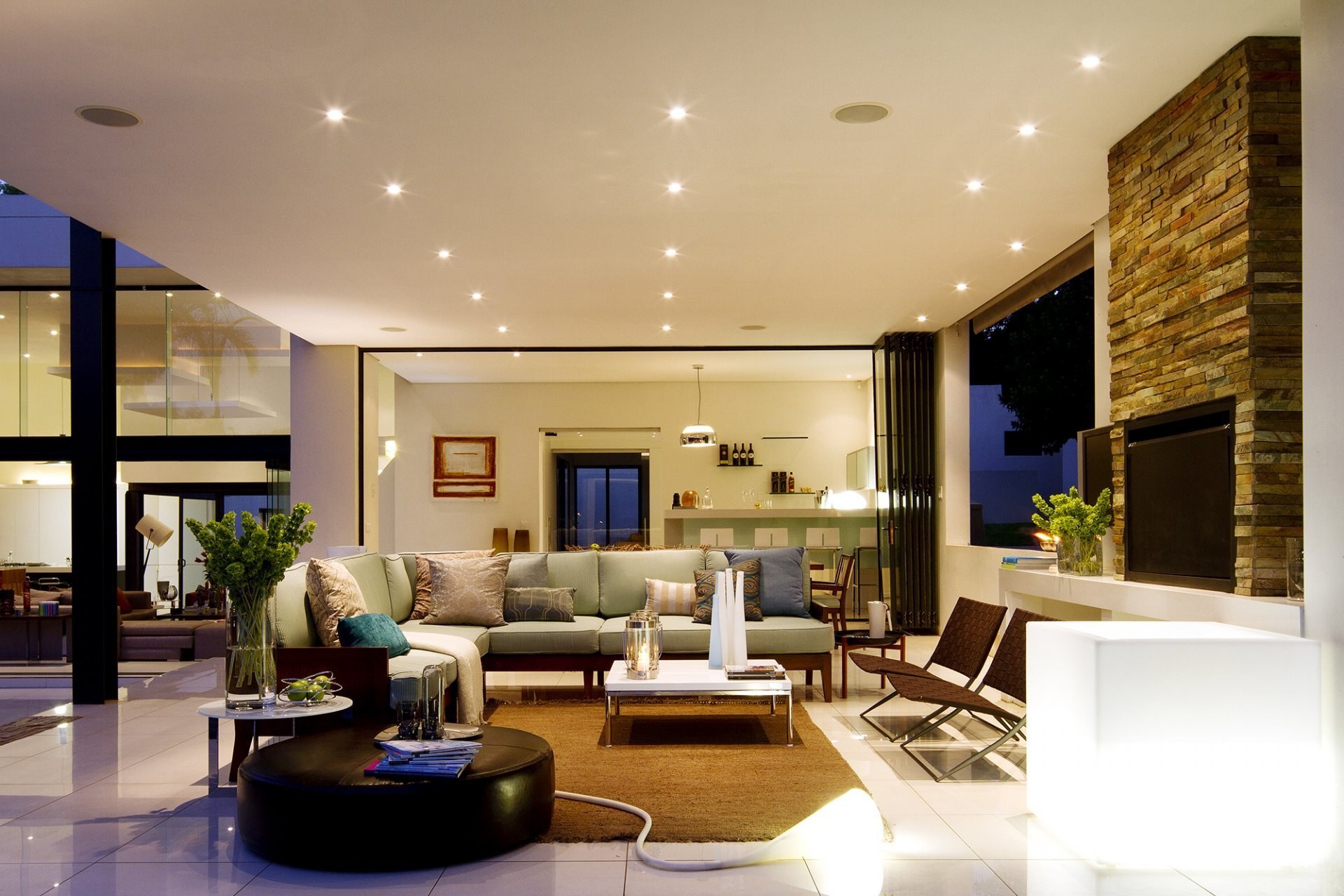
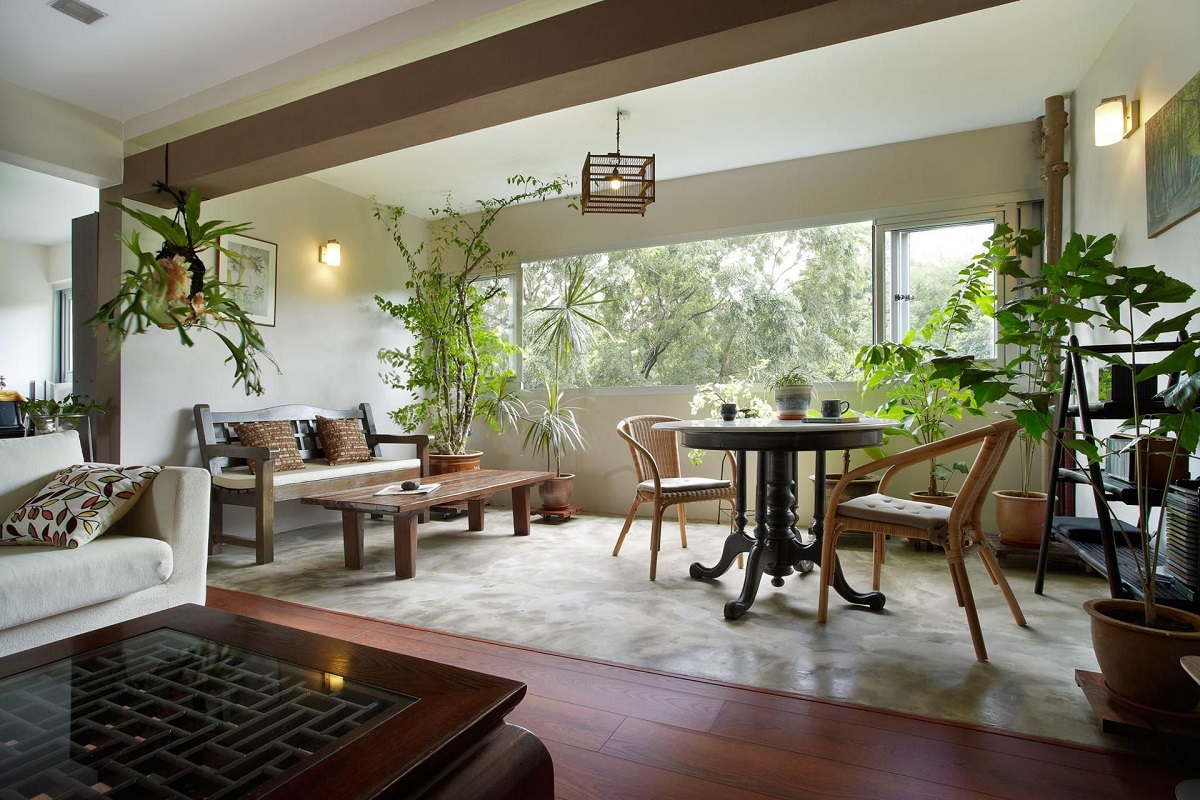
Both modern and mature developments are increasingly designed with health in mind. Thoughtful layouts that maximize natural light, ventilation, and usable outdoor spaces contribute to overall well-being. Fitness facilities, green rooftops, and wellness areas are integrated to support active living.
Hudson Place Residences focuses on modern wellness amenities for professionals and urban dwellers, while Dunearn House prioritizes serene communal spaces and greenery that enhance family living. Both reflect a growing awareness that property value is tied not only to location but also to how well a home supports a healthy lifestyle.
The Impact on Long-Term Value
Residential developments that prioritize wellness tend to maintain desirability over time. Green spaces, walking paths, and recreational facilities enhance both living quality and investment stability. Tenants and future buyers increasingly consider these factors when choosing homes, ensuring that wellness-oriented developments like Hudson Place Residences and Dunearn House remain competitive in the market.
Lifestyle Alignment Beyond Convenience
Ultimately, Singapore homebuyers are seeking properties that align with how they want to live, not just where they want to be. Wellness-focused developments provide a tangible way to integrate work, family, and health priorities into everyday life. By offering access to green spaces, recreational facilities, and thoughtfully designed environments, developments cater to evolving lifestyle expectations.
Conclusion: Wellness as a Residential Priority
The modern Singaporean property buyer evaluates more than location or floor plan; lifestyle and wellness are now central considerations. Developments like Hudson Place Residences and Dunearn House illustrate two complementary approaches: one integrates wellness into a city-fringe, professional-oriented lifestyle, while the other leverages established greenery and serene neighbourhoods for family-focused living.
By recognizing the importance of health, outdoor access, and communal spaces, buyers can make informed decisions that support long-term well-being, while developers create homes that remain relevant and desirable for years to come.